
Reading Kutaisi history through its landmarks
Kutaisi history is easier to understand through individual places than through a single claim about the city's age. Bagrati Cathedral, Gelati Monastery, the White Bridge and the historical museum each open a different chapter. Start with what interests you: medieval architecture, religious learning, everyday urban life or objects from western Georgia. This approach gives your visit a clear thread without turning a city walk into a race between dates.
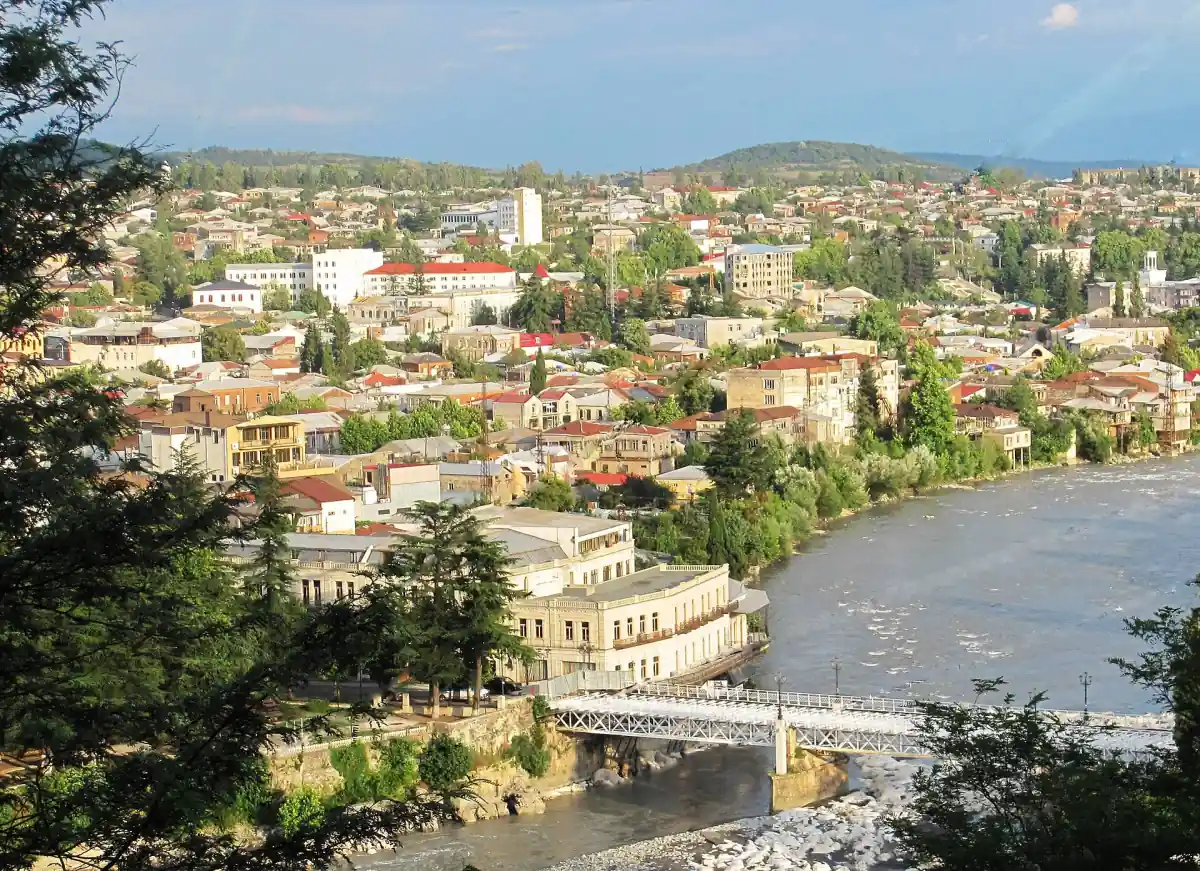
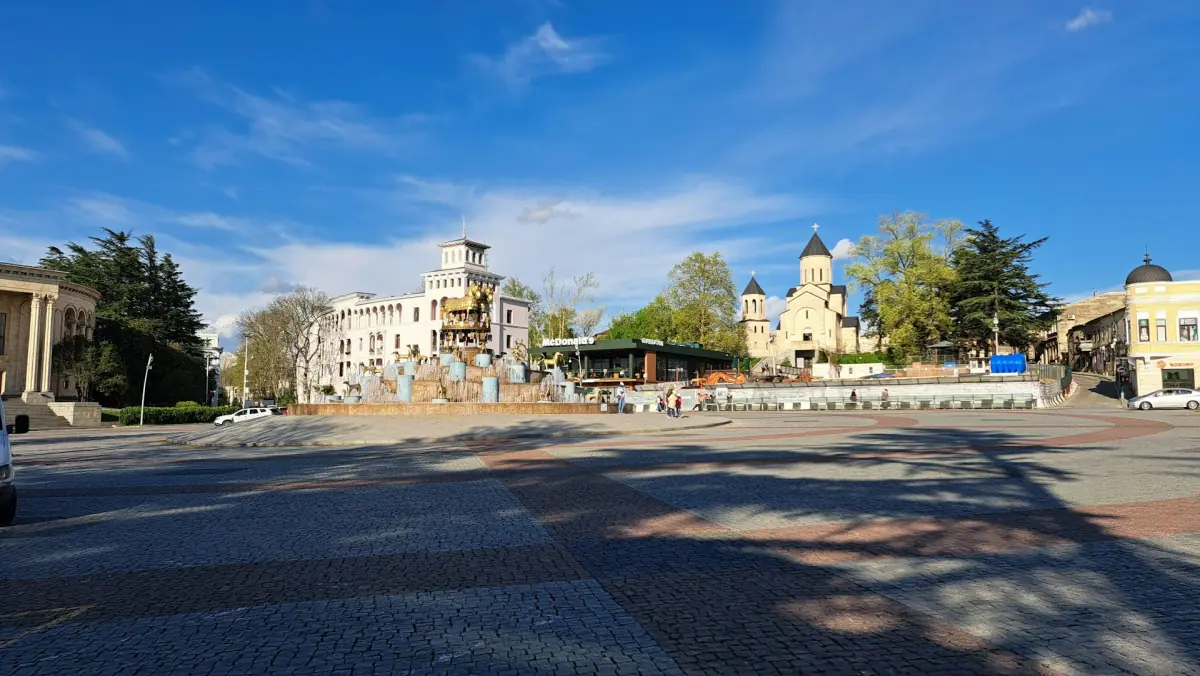
Kutaisi lies in Imereti, on the Rioni. The river connects the view of the city with landmarks such as the former royal residence Okros Chardakhi and its bridges. The central boulevard, Colchis Fountain, drama theatre and opera add other points of reference. Use the city sights guide to decide which places deserve time during your stay.
Bagrati and Gelati belong to different stories
Bagrati Cathedral stands on Ukimerioni above the city. Its construction belongs to the early eleventh century under Bagrat III; the city's tourism account dates it to 1003. Place that medieval foundation beside the building you see today rather than treating the present structure as an untouched survival. The distinction becomes particularly useful when comparing Bagrati with Gelati.
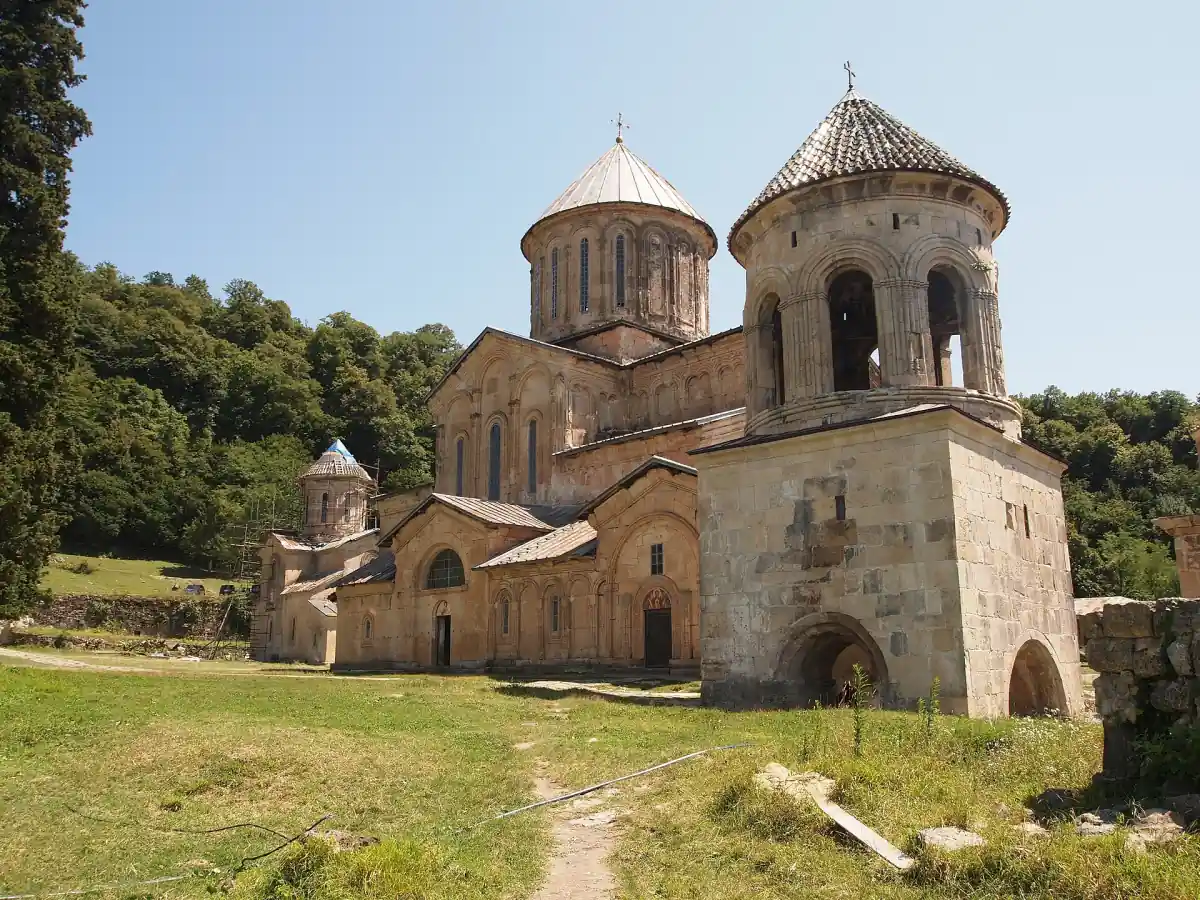
Gelati was founded in 1106 and developed as a monastery with an important academy. It remains a UNESCO World Heritage property. In 2017 the property's boundaries changed and Bagrati was excluded because of its extensive reconstruction. Gelati and Bagrati therefore should not be described as sharing the same present UNESCO status. Our Gelati guide brings the monastery, Bagrati and Motsameta into one practical comparison.
A walk through Kutaisi
Kutaisi guided city walk includes professional english-speaking guide.
Hand-picked tours, booked through GetYourGuide. Prices are indicative starting prices in euros (as of October 2026). Tap a tour for live availability and the current price in your currency.
A historical walk in Kutaisi
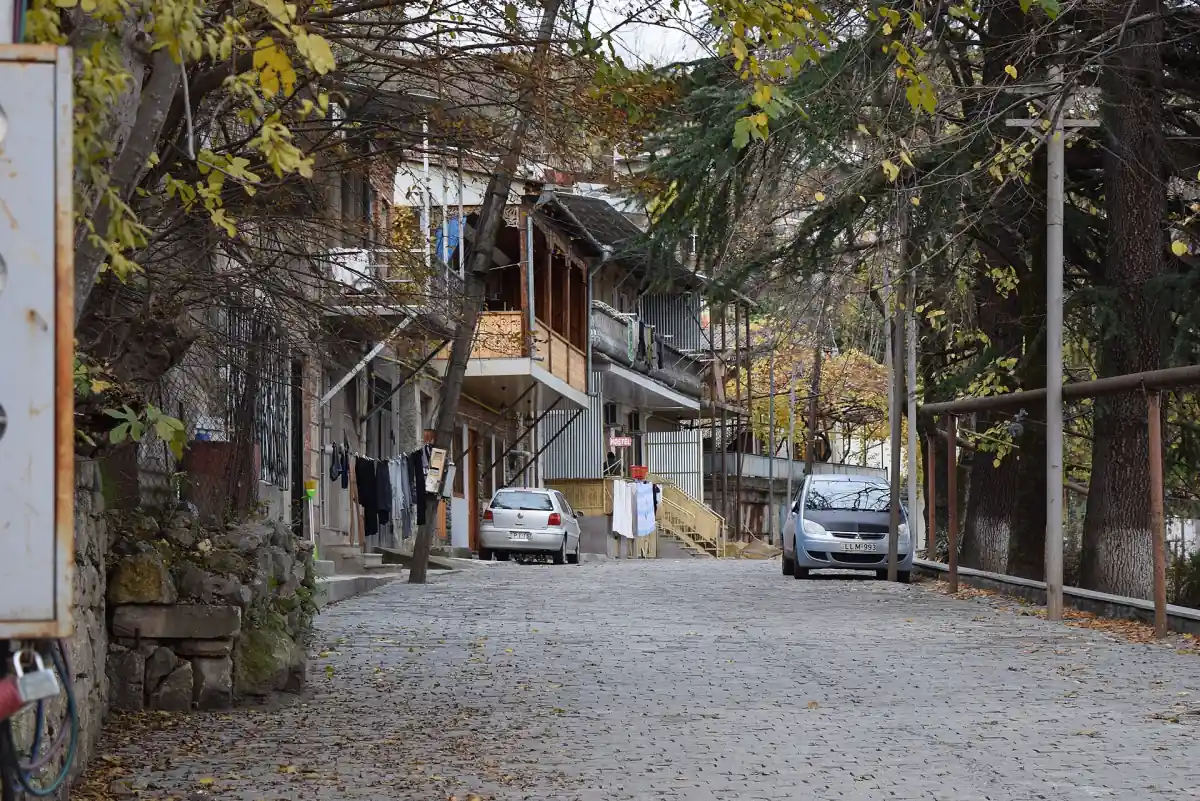
A two-hour city walk with an English-speaking guide provides context for the streets; plan museum time separately.
The historical museum: archaeology, icons and craft
The historical museum on Pushkin Street brings together archaeological finds from western Georgia and ecclesiastical art. Icons, metalwork and enamelwork make it a useful complement to looking at church exteriors. These objects invite a different kind of attention: materials, techniques and the ways religious images were made, rather than another sequence of architectural stops.
Plan the collection as a separate museum visit. A guided city walk and time inside a museum serve different purposes, even when both concern history. Check the museum's opening arrangements for your intended date, especially if you are planning around a Monday. Leave enough room in the day to choose between the collection and another outdoor stop instead of squeezing both into a fixed walking programme.
A guided introduction to the city
The historical walking experience offered here lasts two hours, starts at Colchis Fountain and includes a professional English-speaking guide. It suits visitors who want spoken context during a city visit. Museum admission is a separate planning item. For other walking formats and meeting points, continue to Kutaisi walking tours rather than choosing a walk solely from a reference to the city's age.
The White Bridge and the botanical garden
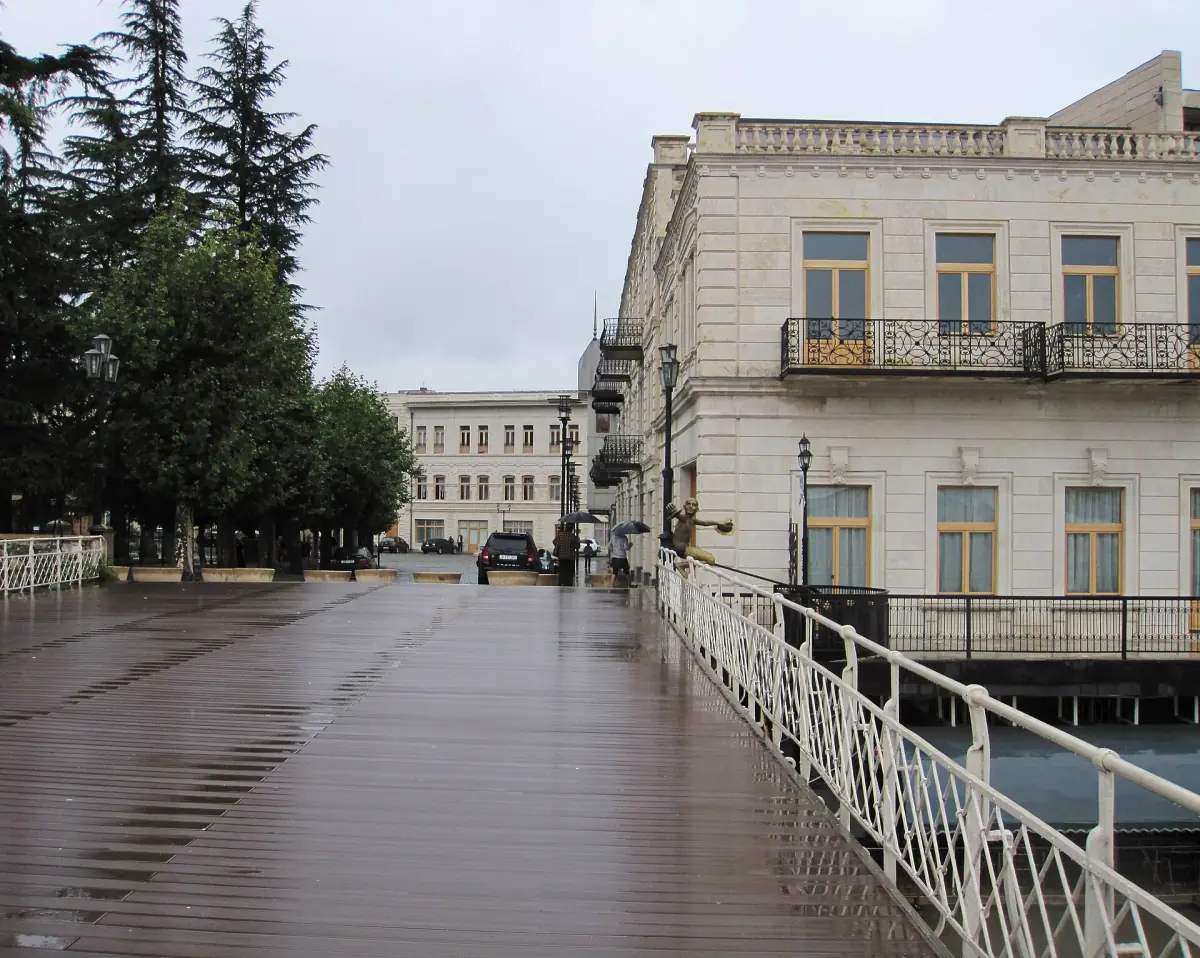
The White Bridge introduces a later layer of the city. The local tourism directory dates its construction to 1850 and its white-painted railings to 1860. Those dates give the riverside a different historical focus from the medieval churches. Look at the bridge in relation to the Rioni and surrounding buildings, then consider how a river crossing fits into your own route between central sights.
The botanical garden is dated to 1840 in the same directory and contains subtropical trees and shrubs. It offers another way to approach the city's nineteenth-century places, with attention to planted space rather than church buildings or museum displays. Check visiting arrangements separately if the garden is central to your day. Neither a riverside walk nor a museum visit needs to become an obligation to fit every landmark into one outing.
Questions about your visit
Is Bagrati part of the UNESCO property?
Gelati is the present World Heritage property. Bagrati was excluded from its boundaries in 2017 following extensive reconstruction, so the two landmarks have different UNESCO status.
Does the historical walk include museum admission?
The offered walk includes a professional English-speaking guide and tour service. Arrange a museum visit separately if its archaeological and ecclesiastical collections are a priority.
Where should I start a history visit?
Choose Bagrati and Gelati for medieval architecture, the museum for objects and craft, or the White Bridge for a riverside starting point. A guided walk can connect your interest with the city streets.