
Visiting Gelati Monastery from Kutaisi
Gelati Monastery is the main reason to choose a religious and architectural excursion from Kutaisi. Founded in 1106, the medieval monastery is associated with an important academy and remains a UNESCO World Heritage site. Its significance is different from that of Bagrati above the city and Motsameta by the Tskaltsitela gorge. Visiting them together can provide context, while Gelati deserves attention as a place in its own right.
Restoration is part of planning a visit. Confirm the areas accessible on your date before booking a Gelati outing. The completion of a conservation phase does not describe access to every part of the monastery. Choose a trip around the sites and guiding it actually provides, with enough room in your expectations for the arrangements at the religious complex.
Monastery excursions
Choose monasteries near kutaisi for professional guide. Alternatively, bagrati, gelati and motsameta includes guiding service in english.
Hand-picked tours, booked through GetYourGuide and Viator. Prices are indicative starting prices in euros (as of October 2026). Tap a tour for live availability and the current price in your currency.
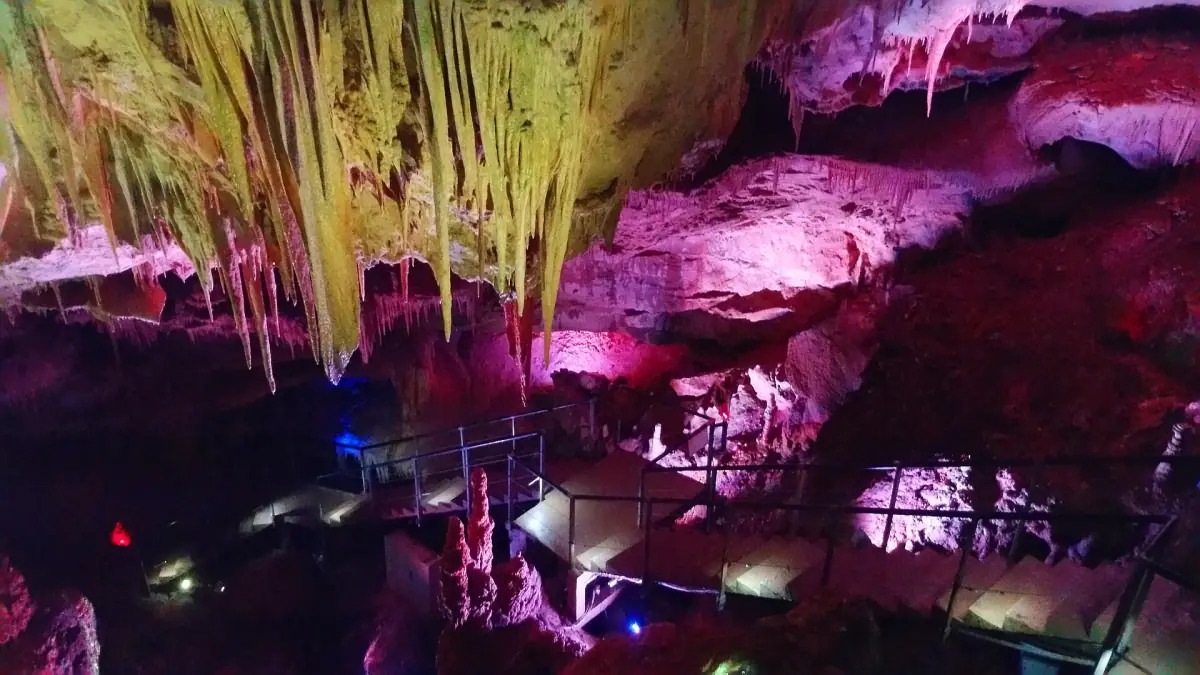
Gelati and Prometheus Cave outing
- Professional guide
- Transport by air-conditioned minivan
- Hotel/port pickup and drop-off
A guided excursion with pickup; entrance fees are extra.
Check availability →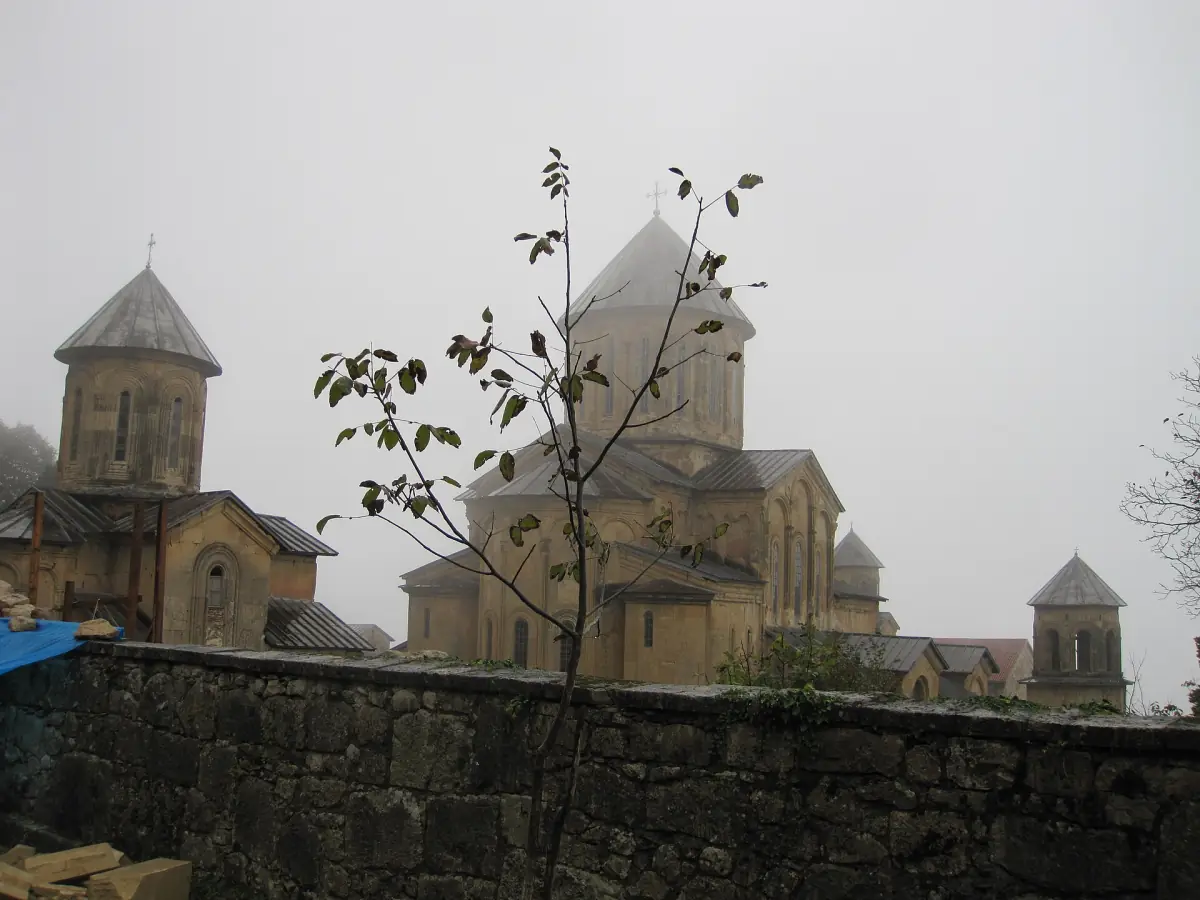
Monasteries near Kutaisi
- Professional guide
- Transportation with comfortable minivan
- Botley of Water
Visit the monasteries with a guide.
Check availability →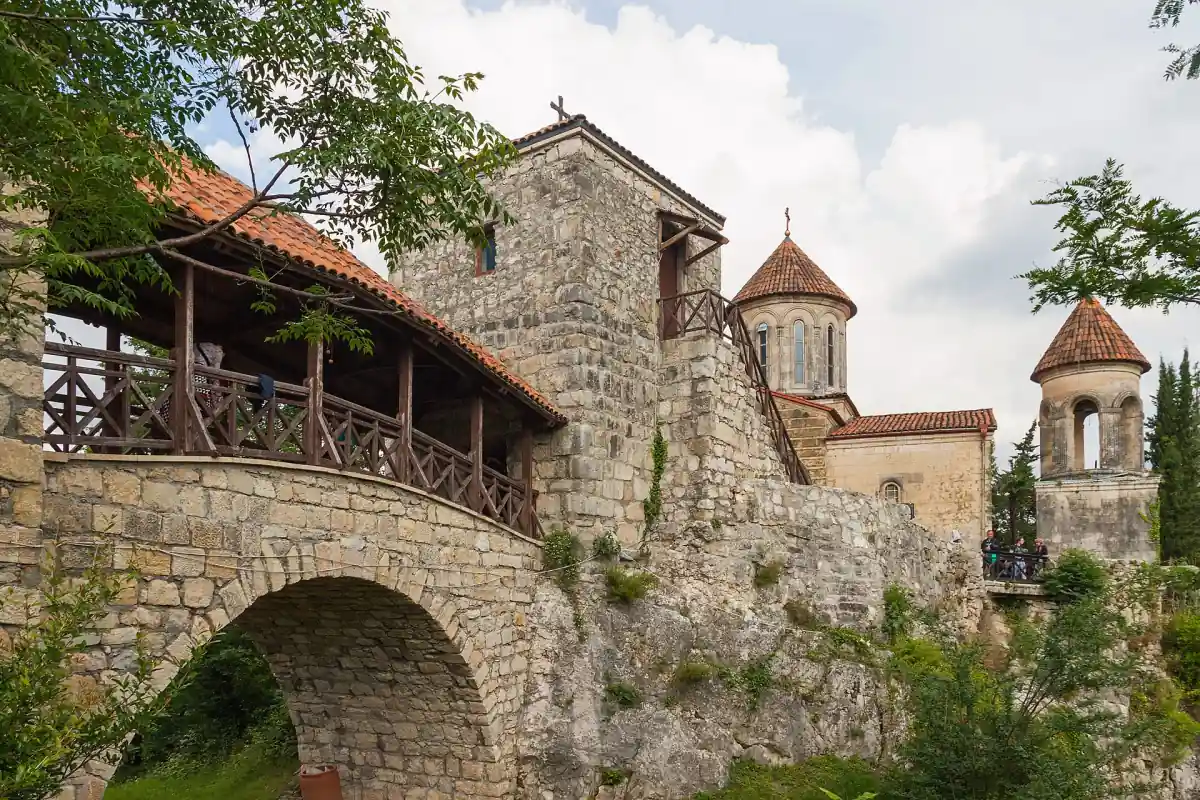
Bagrati, Gelati and Motsameta
- Guiding service in English
- Air-conditioned vehicle
Visit the churches with an English-speaking guide.
Check availability →Monastery outings and a wider combination
Choose a three-site monastery route for Bagrati, Gelati and Motsameta, or a broader excursion combining Gelati with other regional stops.
The academy and the World Heritage setting
The academy helps explain why Gelati is more than an architectural stop. It belongs to the monastery’s medieval importance and gives a useful focus for a guided conversation. Look for a visit that gives you time to understand the relationship between the religious complex and its scholarly role, rather than treating its name as another stop to tick off.
Gelati entered the World Heritage List in 1994. The property’s boundaries changed in 2017, leaving Gelati within the entry and excluding Bagrati after extensive reconstruction there. This distinction matters when planning: the two monuments remain separate visits, and describing both as current parts of the same UNESCO property would give the wrong impression. The city history guide places them within a wider Kutaisi context.
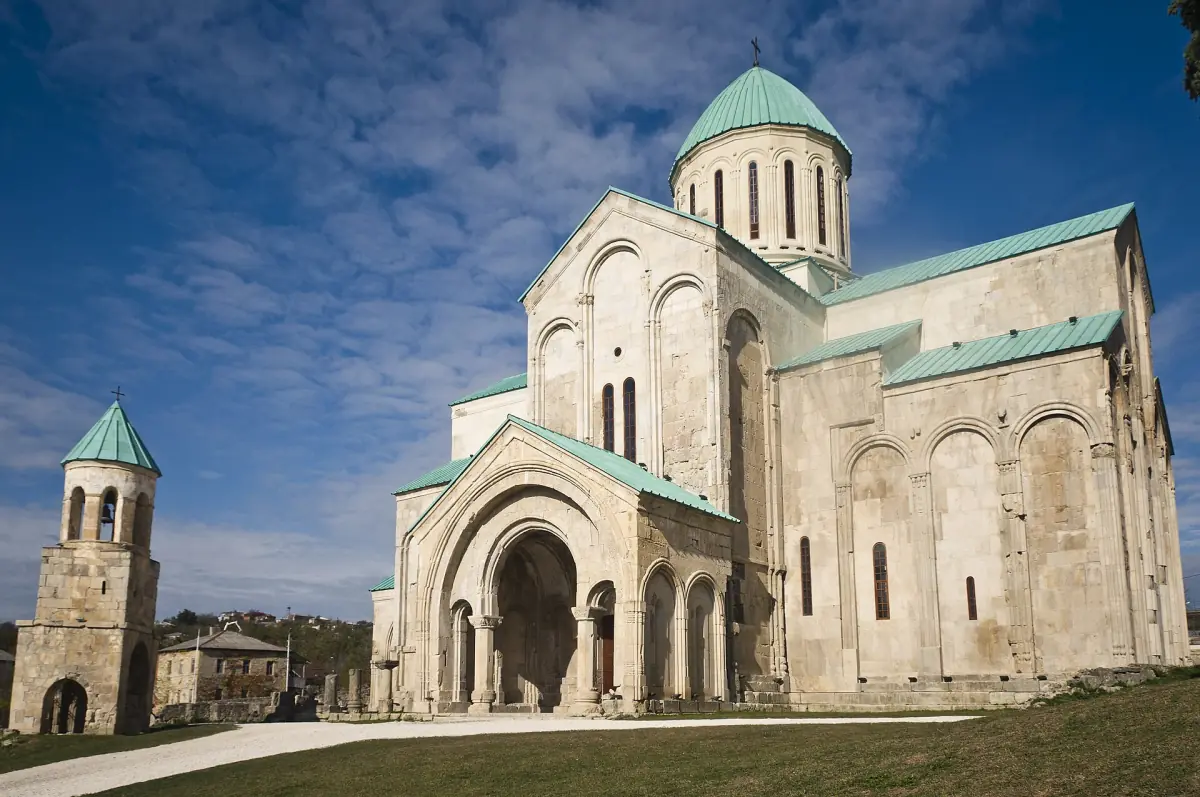
Bagrati Cathedral above the city
Bagrati stands on Ukimerioni and dates to the eleventh century under Bagrat III. Its position above Kutaisi makes it a clear contrast to Gelati’s monastery setting. If your interest is in how the city relates to its surrounding religious monuments, a three-site outing provides a more focused frame than a long nature excursion with a brief church stop.
For exploring the centre separately, the Kutaisi walking tours introduce the riverfront and urban landmarks. Keep the hillside visit distinct when choosing how much walking to do. Residential streets and stairs appear in a local foot itinerary to Bagrati, so the route deserves consideration if steps affect your plans. A vehicle excursion and a city walk offer different ways to divide the day.
Motsameta Monastery and the gorge
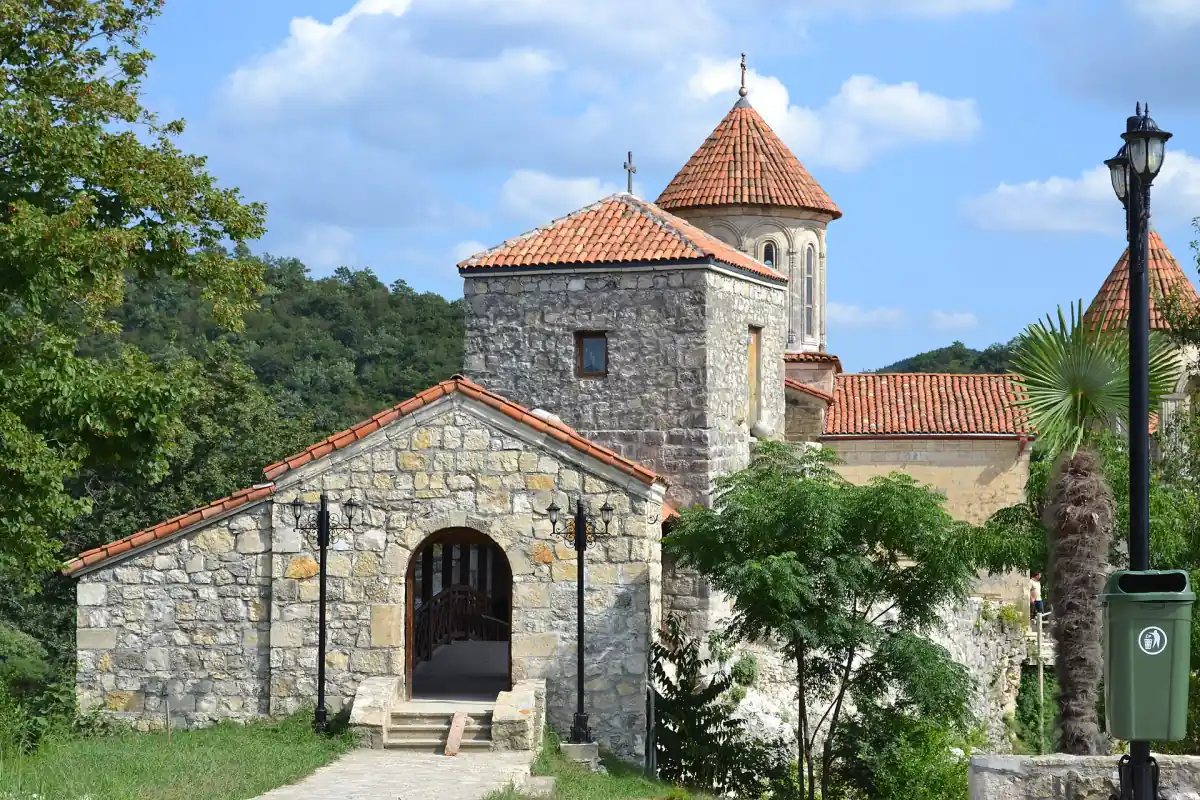
Motsameta is associated with the Tskaltsitela gorge and the martyrs David and Constantine. Stories about the return of their relics belong to religious tradition. Approach those accounts as part of the monastery’s spiritual meaning, alongside its landscape and architecture, rather than as a claim to have settled every historical detail.
The three-site minivan trip lasts three hours and includes a professional guide, water and Wi-Fi on board. Another three-hour group route visiting Bagrati, Gelati and Motsameta includes English-language guiding and an air-conditioned vehicle. These focused formats suit an interest in the monasteries themselves. Meals and personal spending should have their own place in your day.
Architecture, religion and choosing the route
The broader Gelati combination lasts five to six hours and links the monastery with Prometheus and sanatorium-related stops. It includes a professional guide, air-conditioned minivan transport and hotel or port pickup and drop-off. Choose it for a mixed regional outing rather than expecting the same three-monastery programme as the focused routes. Arrange the collection point around the actual booking details.
Gelati is also a religious place. Give worshippers space, behave quietly and follow instructions at the entrances. Let local guidance determine any specific clothing or photography arrangements on the day. For comparison with a different group of religious monuments elsewhere in Georgia, see Mtskheta monasteries. For the broader regional choice from Kutaisi, our excursion overview separates monastery visits from cave and canyon days.
Questions about your visit
Is Bagrati still part of the UNESCO property?
Gelati remains World Heritage. Bagrati was excluded in the 2017 boundary change after extensive reconstruction.
What should I do about restoration at Gelati?
Establish access for your chosen date before booking. Plan the visit around the areas open to visitors and follow instructions at the monastery.
Which route focuses on all three religious sites?
The three-hour monastery routes combine Bagrati, Gelati and Motsameta. The five-to-six-hour Gelati combination has a wider regional focus, with other kinds of stops.